Vector of Wing. Fly. Element. SVG
As a designer and embroidery product reviewer, I’ve evaluated countless machine embroidery designs, but few strike the right balance between artistic intent and practical application like Vector of Wing. Fly. Element. SVG. This icon-style graphic offers a clean, modern aesthetic that translates well into real-world embroidery projects. Let’s break down how it performs in actual use and where it shines—or falls short.
First Impressions: A Design That Speaks Without Words
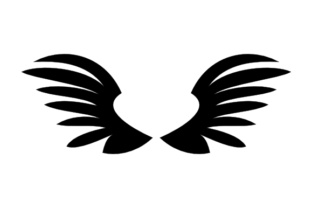
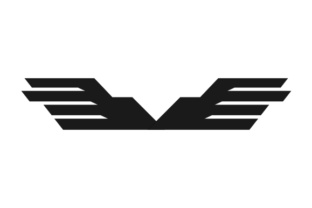
The Vector of Wing. Fly. Element. SVG immediately conveys a sense of motion and freedom. The wing motif is simple yet expressive, with a layout that feels both minimal and meaningful. It’s the kind of design that can work as a standalone emblem or part of a larger composition. The theme leans toward nature, travel, or personal expression—making it ideal for items like tote bags, sweatshirts, or baby clothes.
Visually, the design has a soft, elegant personality. It doesn’t scream for attention, but it commands respect through its simplicity. The detail level is just enough to add character without overwhelming the fabric. For embroidery, this means it can be adapted to different stitch types—satin, fill, or even running stitch—depending on the desired effect.
Real-World Embroidery Use: Where It Fits Best
When considering real-life embroidery situations, the Vector of Wing. Fly. Element. SVG excels in custom apparel, particularly on lighter-weight fabrics. It works well on t-shirts, sweatshirts, and tote bags, where the design can stand out without being too busy. For small business owners and Etsy sellers, this design could be a versatile addition to a shop’s collection of printable mockups or digital embroidery files.
It also makes a great embroidered patch or applique design. The clean lines allow for easy placement on caps, aprons, or pillow covers. For baby items, the design adds a subtle touch of whimsy without being too intricate. In holiday or wedding gifts, it can serve as a decorative accent that’s both elegant and timeless.
One thing to note is that the design’s simplicity can sometimes make it feel a bit generic. If you’re looking for something highly unique, you may need to pair it with other elements or customize it slightly. But for general use, it’s a solid choice.
Where to Be Careful: Limitations and Considerations
While the Vector of Wing. Fly. Element. SVG is versatile, there are some situations where it may not perform as well. On small hoop sizes, the design might require resizing or repositioning, which can affect the final look. Textured fabrics or thin, stretchy materials could also pose challenges, especially if the design has fine details or tight curves.
On dark fabrics, the design may appear too light unless you adjust the thread colors. Similarly, on layered garments or curved surfaces like caps, the stitching might not lie flat as intended. For these cases, testing on scrap fabric first is essential.
Dense stitch areas can cause the design to look overly filled or lose its delicate charm. If you’re using it as a decorative accent, consider adjusting the stitch density or combining it with simpler elements to maintain visual balance.
Impact on Visual Appeal and Customer Perception
When it comes to visual appeal, the Vector of Wing. Fly. Element. SVG is a strong performer. Its clean lines and minimalist style contribute to a professional look that appeals to a wide range of customers. As an embroidery file, it adds value to handmade products, personalized gifts, and custom apparel by offering a polished, cohesive design.
For small shop products or Etsy listings, this design can help build brand consistency. It’s also a good choice for printable mockups, allowing designers to showcase how the final product will look before production. Customers often appreciate the clarity and precision of such designs, which can increase trust and engagement.
When used in commercial embroidery projects, the design maintains a level of sophistication that fits well with boutique branding or craft fair products. Its versatility makes it a safe bet for both personal and commercial use, provided the licensing terms are clear.
Practical Designer Notes: What to Test Before Using
Before incorporating the Vector of Wing. Fly. Element. SVG into your next project, here are a few practical steps to take:
- Test the design on scrap fabric to see how it looks in different thread colors and stitch types.
- Check the stitch density to ensure it doesn’t become too heavy or distorted.
- Confirm the hoop size required for the design to avoid any issues during stitching.
- Inspect small details to make sure they hold up under embroidery conditions.
- Use black and white mockups to evaluate contrast and visibility on different backgrounds.
- Compare the design on light and dark fabric to determine the best thread color options.
- Use proper stabilizer to prevent puckering or distortion, especially on delicate or stretchy fabrics.
- Verify whether the design is suitable for both personal and commercial projects.
- Always check the licensing terms before selling finished items or digital products.
Final Thoughts: A Solid Choice for Creative Entrepreneurs
Overall, the Vector of Wing. Fly. Element. SVG is a reliable and adaptable design for embroidery projects. Its clean, modern aesthetic makes it suitable for a wide range of applications, from custom apparel to handmade gifts. While it may not be the most complex design, its simplicity allows for flexibility and ease of use.
For creative entrepreneurs, crafters, and small business owners, this design offers a practical solution that balances artistry with functionality. Whether you’re creating an embroidered patch, a tote bag design, or a holiday gift, the Vector of Wing. Fly. Element. SVG can be a valuable addition to your collection of design assets.
Just remember to test it thoroughly and consider the specific needs of your project before committing to production. With the right approach, this design can elevate your work and enhance the overall quality of your finished products.