Title Tags Review
As an embroidery designer and product reviewer, I often find myself evaluating digital files for real-world use. Title Tags caught my attention as a downloadable SVG file in the Icons category, and I wanted to see how it would perform in practical embroidery projects. From the first glance, it has a clean, modern aesthetic that feels versatile yet specific. Let’s break down what this design offers and where it might shine—or fall short—when stitched onto fabric.
The First Impression
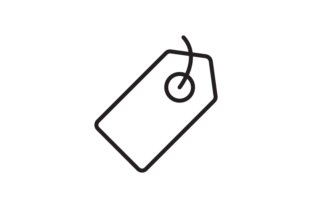
Title Tags has a minimalist, icon-based style that leans toward simplicity. The shapes are clear, the layout is balanced, and the overall visual personality feels professional. It doesn’t scream for attention but rather suggests elegance and precision. This makes it ideal for projects where subtlety matters, like embroidered patches, tote bags, or small shop merchandise. The design feels like it was made with both functionality and aesthetics in mind.
Its SVG format ensures scalability without loss of quality, which is a big plus for embroidery designers who need flexibility in sizing. Whether you're working on a baby onesie or a custom sweatshirt, the design should hold up well as long as the details aren't too fine.
Real-Life Use Cases
Imagine you’re preparing a custom embroidered tote bag for a client. Title Tags could be a great fit if the design is meant to be understated but recognizable. It would work well as a logo or tagline on the front of the bag, adding a touch of sophistication without overwhelming the canvas. Similarly, on a sweatshirt or t-shirt, it could serve as a subtle accent that complements the overall look.
For baby items, such as onesies or blankets, the design’s clean lines and simple shape make it safe and appropriate. It won’t have the complexity that might be distracting on delicate fabrics or small spaces. And for holiday gifts or personalized products, Title Tags can add a thoughtful, branded touch that feels handmade yet professional.
This design also fits well into commercial embroidery projects, especially for small businesses or Etsy sellers looking for consistent, high-quality assets. It could be used as part of a printable mockup or digital product preview, giving clients a clear idea of how the final product will look before committing to a purchase.
Where to Be Cautious
While Title Tags has a lot to offer, there are some situations where it may not perform as well. If you’re working with small hoop sizes, the design might be too large to fit comfortably, requiring adjustments that could compromise the detail. On textured fabrics or thin materials, the stitching might not show up as clearly, especially if the design relies on fine lines or intricate elements.
Stretchy fabrics can also be a challenge. If the design includes satin stitch or fill stitch, it may pucker or distort when stretched. Dark fabrics may require a different thread color to ensure visibility, and layered garments could cause the design to sit unevenly. Curved surfaces like caps or hats might also present challenges, depending on how the design is placed and stitched.
Small details, such as tiny lettering or decorative accents, could get lost if the stitch density is too low or if the stabilizer isn’t sufficient. It’s important to test the design on scrap fabric before committing to a finished product, especially if it’s going to be used for commercial purposes.
Impact on Visual Appeal and Value
When properly executed, Title Tags can elevate the visual appeal of any project. Its clean lines and balanced composition contribute to a polished look that feels professional. For handmade products or personalized gifts, this kind of design adds value by making the item feel more intentional and crafted.
From a customer perspective, a well-stitched design like this can increase trust and satisfaction. It signals that the maker has taken care in selecting high-quality assets and that the finished product will be durable and visually appealing. This is especially important for Etsy sellers or small shop owners who rely on positive reviews and repeat customers.
In terms of brand consistency, Title Tags can help reinforce a cohesive identity across multiple products. Whether it's used on a custom apparel piece or a boutique-branded item, it maintains a level of professionalism that aligns with a strong brand image.
Practical Designer Notes
Before using Title Tags in your own projects, here are a few tips to keep in mind:
- Test the design on scrap fabric first to ensure it looks good in your chosen thread colors and fabric texture.
- Review the stitch density to make sure it’s suitable for the type of fabric you’re using.
- Confirm the hoop size required for the design to avoid unnecessary resizing or distortion.
- Inspect small details closely to ensure they’ll translate well to the final product.
- Try the design in black and white mockups to see how it appears on different backgrounds.
- Compare how it looks on light and dark fabrics to determine the best thread color options.
- Use the proper stabilizer to prevent puckering or shifting during stitching.
- Check whether the design is suitable for both personal and commercial use.
- Confirm the licensing terms before selling finished items or digital products.
By taking these steps, you can ensure that Title Tags not only looks good but also performs well in real-world applications.
Final Thoughts
Overall, Title Tags is a solid choice for embroidery designers looking for a clean, versatile design that works well in a variety of projects. It’s particularly suited for custom apparel, small business merchandise, and handmade products where a subtle, professional touch is needed. While it may not be the best fit for every situation, it has the potential to enhance the visual appeal and value of your finished products when used correctly.
If you’re an Etsy seller, craft business owner, or creative entrepreneur, this design could be a useful addition to your library of machine embroidery designs. Just remember to test it thoroughly and consider the specific needs of your project before moving forward.