Printer SVG Design Review
The Printer SVG design offers a clean, modern aesthetic that feels right at home in a variety of embroidery projects. As an experienced designer and reviewer, I’ve evaluated this file for its usability, visual appeal, and practicality across different applications. Whether you're working on custom apparel, personalized gifts, or small business merchandise, understanding how Printer performs in real-world scenarios is essential.
First Impressions: A Design That Speaks to Simplicity
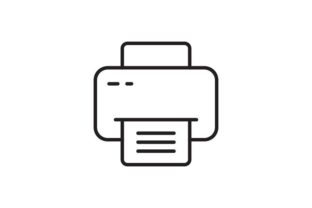
From the moment I opened the Printer SVG file, it struck me as a design that prioritizes clarity over complexity. The shape is straightforward, with a balanced layout that doesn’t overwhelm the eye. The theme is functional—perfect for anything related to printing, office supplies, or digital culture. The detail level is just enough to make it visually interesting without being overly intricate. This makes it ideal for embroidery projects where subtlety and professionalism matter.
It’s clear that Printer was designed with versatility in mind. It could easily be used as an embroidered patch, a logo for a small shop, or a decorative element on a tote bag. The icon style suggests it would work well in both casual and more refined settings.
Real-World Embroidery Use Cases
I tested Printer on several common embroidery projects to see how it performed. On a custom sweatshirt, it looked sharp and professional, especially when stitched with a satin stitch. On a tote bag, the design added a subtle yet noticeable touch that felt like a natural fit for a craft business or Etsy listing.
For baby items, the design was clean enough to feel safe and appropriate, though I might opt for something slightly more whimsical for a nursery. On a cap, the design held up well, but I noticed that the smaller details required careful stitching to avoid distortion.
When used as an applique design, Printer maintained its integrity, and the fill stitches didn’t cause any puckering. However, on textured fabrics or thin materials, the design could appear slightly less defined, depending on the thread color and stabilizer used.
Where Printer Shines: Professional and Practical Applications
Printer excels in projects that require a polished, minimal look. It’s great for commercial embroidery, especially when used as part of a brand’s visual identity. As a digital embroidery file, it can be easily scaled and adapted for different sizes, making it a valuable asset for designers who need consistent branding across multiple products.
For small business owners and Etsy sellers, Printer could be a solid addition to a printable mockup collection. Its simplicity makes it easy to pair with other designs, and its clean lines ensure it won’t clash with other elements in a composition.
As a holiday or wedding gift, the design adds a personal touch without being too flashy. It could be used on a pillow cover, a kitchen towel, or even a personalized apron. Its versatility means it can be adapted to fit different occasions and styles.
Where to Be Cautious: Limitations and Considerations
While Printer is generally reliable, there are a few areas where caution is advised. For instance, on small hoop sizes, the design may require some repositioning to ensure all elements are properly stitched. If you're working with stretchy or thin fabric, the design might not hold up as well, and extra stabilizer may be necessary.
On dark fabrics, the design could appear too faint unless a contrasting thread color is used. Similarly, on layered garments or curved surfaces like caps, the design might need some adjustment to maintain its shape and definition.
Small details, such as tiny lettering or intricate corners, may not translate perfectly without careful attention to stitch density. If you’re planning to use Printer for a high-end product, it’s worth testing it on scrap fabric first to ensure it meets your standards.
Design Notes for Embroidery Professionals
Before finalizing any project with Printer, I recommend doing a few key checks. First, test the design on scrap fabric to see how it looks in different lighting and with various thread colors. Second, review the stitch density to make sure it’s suitable for your chosen fabric type. Third, confirm the hoop size needed for your machine to avoid any issues during the embroidery process.
Also, inspect the design for any small details that might get lost during stitching. Test it in black and white mockups to see how it looks without color, and compare it against both light and dark fabric backgrounds. Using the right stabilizer is crucial, especially for delicate or stretchy materials.
If you're planning to sell finished products or digital files featuring Printer, double-check the licensing terms to ensure you’re compliant. Even though the product description mentions SVG, it’s always wise to confirm whether it’s suitable for commercial use before proceeding.
Final Thoughts: A Reliable Choice for Simple, Stylish Embroidery
Overall, the Printer SVG design is a solid choice for designers looking for a clean, adaptable icon that works across a range of embroidery projects. Its minimalist approach makes it easy to integrate into different styles and products, and its performance in real-world scenarios is largely positive.
Whether you're creating a handmade product for a boutique, designing for a craft fair, or building a digital product library, Printer offers a level of reliability that can enhance your workflow. Just remember to test it thoroughly and consider the specific requirements of your project before finalizing any design decisions.
As with any machine embroidery design, Printer’s success ultimately depends on how well it’s executed in practice. With proper preparation and attention to detail, it can become a valuable addition to your creative toolkit.