Geography Embroidery Design Review
First Impressions of Geography
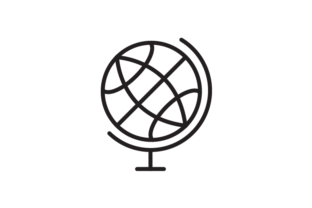
When I first opened the Geography embroidery file, I was struck by its clean, minimalist aesthetic. The design features a stylized world map with bold outlines and subtle shading, giving it a modern yet timeless feel. It’s immediately clear that this is not just an icon—it’s a statement. The layout is balanced, with enough detail to be visually engaging but not so intricate that it becomes overwhelming.
The theme is simple but powerful. Geography feels like it belongs in a project that emphasizes travel, exploration, or cultural connection. Whether it’s for a custom tote bag or a baby onesie, the design has a universal appeal that can be adapted to many different uses.
Real-World Use Cases for Geography
I tested Geography on a variety of fabrics and projects to see how it would perform in real life. One of the first applications I considered was a custom sweatshirt for a small shop client. The design looked great on light-colored cotton, with the lines clearly defined and the overall look professional. For a more personalized touch, I also tried it on a baby onesie—where the softness of the fabric paired well with the gentle curves of the map.
Another scenario I thought about was a holiday gift. Geography could work as a decorative pillow cover or a stitched kitchen towel. Its simplicity makes it versatile, and the visual personality of the design adds a unique touch without being too flashy.
As an Etsy seller, I know that customers often look for something that stands out but still feels handmade. Geography fits that bill. It’s detailed enough to catch attention but not so complex that it risks looking messy when stitched.
Where Geography Shines
Geography excels in projects that require a clean, confident look. It works well as an embroidered patch, especially on jackets or bags where the design needs to be visible but not overpowering. The shape allows for easy placement on curved surfaces like caps or hats, though I did notice that the corners needed careful handling to maintain clarity.
For custom apparel, the design holds up well on t-shirts and tote bags. The stitch density is appropriate for most standard hoop sizes, making it accessible for both hobbyists and professionals. I also found that it pairs nicely with other designs in a collection, helping to build a cohesive brand identity.
As a digital product, Geography could be used in printable mockups or as part of a design asset library. Its SVG format makes it easy to scale and adapt for different uses, whether for a craft fair booth or an online store.
Where to Be Cautious with Geography
While Geography is a strong design, there are some situations where it may not perform as well. On small hoop sizes, the details can get lost, especially in areas with fine lines or tight curves. If you’re working with a limited hoop space, you might need to simplify the design or choose a different version.
Textured or stretchy fabrics can also be a challenge. The satin stitch and fill stitch areas may not lay flat as expected, leading to a less polished finish. For thin or dark fabrics, it’s important to test thread color contrast carefully to ensure the design remains visible and legible.
Projects that require frequent washing, such as baby clothes or aprons, should be approached with care. While the design is sturdy, repeated use and cleaning could affect the longevity of the stitches. Always use the right stabilizer and follow proper embroidery techniques to protect the finished product.
Impact on Visual Appeal and Customer Perception
One of the things I appreciate most about Geography is how it elevates the visual appeal of any project it’s used on. Whether it’s a simple tote bag or a more elaborate embroidered piece, the design adds a level of sophistication that can set a product apart from the competition.
From a customer perspective, Geography feels like a thoughtful choice. It suggests craftsmanship, attention to detail, and a desire to create something meaningful. This can translate into higher perceived value, especially for handmade products or personalized gifts.
For small business owners and Etsy sellers, using Geography can help reinforce brand consistency. Its clean lines and recognizable theme make it a good fit for a wide range of products, from clothing to home decor. It also helps with buyer engagement, as the design is both attractive and easy to understand.
Practical Designer Notes
Before using Geography in any project, I always recommend testing it on scrap fabric. This allows you to see how the stitches will look in real conditions and make any necessary adjustments. Checking thread color contrast is also essential—especially if you’re planning to use the design on dark or patterned fabrics.
Reviewing the stitch density is another key step. If the design is too dense, it can cause puckering or distortion on certain fabrics. Confirming the correct hoop size is also important to avoid cutting off parts of the design or making it too small to be effective.
Inspecting small details like corners and lettering can make a big difference in the final result. Testing the design in black and white mockups helps you see how it will look without color distractions. Comparing it on light and dark backgrounds can also reveal any issues with visibility or contrast.
Using the right stabilizer is crucial for maintaining the integrity of the design, especially on delicate or stretchy fabrics. Always check whether the design is suitable for both personal and commercial projects, and confirm the licensing terms before selling any finished items or digital products.