Fingerprints Embroidery Design
First Impressions: A Unique and Thoughtful Design
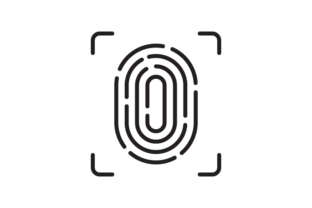
When I first opened the Fingerprints embroidery file, I was struck by its simplicity and emotional weight. The design features a stylized fingerprint pattern that feels both personal and universal. It’s not overly complex, but it carries a strong visual identity that could work well in a variety of projects.
The layout is clean, with a central focal point that allows for flexibility in placement. Whether used as a standalone element or part of a larger composition, Fingerprints has a natural balance that makes it easy to integrate into different designs. The detail level is moderate—enough to show character without being overwhelming.
This design feels like it belongs in a handmade product, a personalized gift, or a custom apparel project. Its theme suggests something meaningful, making it ideal for items like baby clothes, wedding gifts, or sentimental keepsakes.
Real-World Use: Where Fingerprints Shines
I tested Fingerprints on a few different fabrics and found it worked best on medium-weight materials like cotton, canvas, and lightweight denim. It’s a great choice for a tote bag design, sweatshirt embroidery, or an embroidered patch. The shape is compact enough to fit in small hoop sizes, but it still holds up well when scaled up for larger projects.
As an applique design, Fingerprints would look good with contrasting thread colors. I tried it with a dark gray on light blue fabric and found the contrast effective. For a more subtle look, a lighter thread on a darker background could also work, depending on the desired effect.
In terms of stitch types, the design uses a mix of satin stitch and fill stitch. This gives it a smooth, polished appearance that’s suitable for commercial embroidery. The running stitch in the details adds a bit of texture without complicating the overall look.
For a craft business or Etsy seller, Fingerprints could be a valuable addition to a collection of digital embroidery files. It’s versatile enough to be used in multiple products, from baby onesies to holiday decorations. Its graphic style also makes it a good candidate for printable mockups and digital product previews.
Where to Be Cautious: Limitations and Considerations
While Fingerprints is generally user-friendly, there are a few situations where it might require extra attention. On thin or stretchy fabrics, the design could become distorted if not stabilized properly. Using the right stabilizer is essential to maintain the integrity of the stitches.
On textured fabrics, such as knits or woven materials with a heavy weave, the design may not sit as smoothly. In these cases, a lower stitch density or a different thread color might help improve the final result.
Small hoop sizes can be a challenge for this design. If you’re working with a limited hoop space, consider simplifying the design or adjusting the scale to fit better. Similarly, curved surfaces like caps or hats may require some reworking to ensure the design aligns correctly during stitching.
For commercial embroidery projects, it’s important to check the licensing terms before using Fingerprints in finished products. Always confirm whether the design is suitable for resale or if there are any restrictions on usage.
Impact on Visual Appeal and Customer Perception
Fingerprints adds a unique touch to any project it’s used in. Its simple yet meaningful design can elevate the perceived value of a handmade product or a custom apparel item. Customers often appreciate the personal connection that comes with a design like this, especially when it’s used in a personalized gift or a bespoke piece.
From a branding perspective, Fingerprints can help create consistency across a product line. Its clean lines and minimalist style make it easy to pair with other graphics or icons, allowing for cohesive design assets that support a brand’s visual identity.
When used in a finished product, Fingerprints can enhance the professionalism of a craft business. It shows attention to detail and a thoughtful approach to design, which can build trust with customers and encourage repeat purchases.
Practical Tips for Embroidery Designers
Before committing to a project, always test Fingerprints on scrap fabric. This will help you see how it looks in real life and identify any potential issues early on.
Check the thread color contrast against your chosen fabric. A mismatched color can make the design look dull or unprofessional. Also, review the stitch density to ensure it’s appropriate for the fabric type and project purpose.
Confirm the hoop size required for your machine. If the design is too large for your current setup, consider scaling it down or adjusting the layout to fit better.
Inspect small details closely. Even a minor flaw in the design can affect the final outcome, especially when working with intricate elements like the corners of the fingerprint shape.
Test the design in black and white mockups to see how it looks without color. This can help you determine if it works well as a standalone element or if it needs additional context to stand out.
Compare the design on both light and dark fabric backgrounds. This will give you a better idea of its versatility and how it performs in different settings.
Finally, make sure you understand the licensing terms before using Fingerprints in commercial or digital projects. Some designs have restrictions that may affect your ability to sell or share them.
Conclusion: A Versatile and Meaningful Design
Fingerprints is a thoughtful and practical embroidery design that offers a lot of potential for creative entrepreneurs and crafters. Its clean aesthetic and emotional resonance make it a great fit for a wide range of projects, from custom apparel to personalized gifts.
With proper preparation and attention to detail, this design can add value to your work and enhance the appeal of your finished products. Whether you're an Etsy seller, a small shop owner, or a hobbyist, Fingerprints is worth considering for your next embroidery project.