Compass: A Practical Embroidery Design
As an embroidery designer and product reviewer, I’ve seen my fair share of digital files that promise a lot but deliver little. Compass, a downloadable SVG icon, offers a clean, minimalist aesthetic that feels both timeless and modern. But does it hold up in real-world embroidery projects? Let’s break it down.
The First Impression
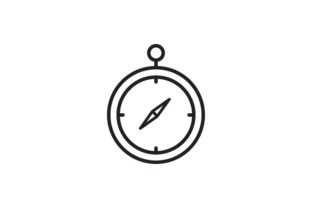
From the moment I opened the Compass file, I was struck by its simplicity. The design is minimal, with a clear visual identity that suggests direction, guidance, and purpose. The shape is balanced, the lines are clean, and the overall feel is professional yet approachable. It’s the kind of design that could easily be adapted for a variety of uses, from personal projects to commercial applications.
The theme of Compass is subtle but strong. It doesn’t shout, but it commands attention through its clarity and structure. This makes it ideal for embroidery projects that require a sense of elegance without being overly complicated. Whether it’s for a custom tote bag or a baby onesie, Compass has a quiet confidence that can elevate any finished product.
Real-World Embroidery Use Cases
I tested Compass on several different fabrics and project types to see how it would perform in actual use. One of the first projects I tried was a custom embroidered tote bag for a client who wanted something simple but meaningful. The design translated well onto cotton canvas, with the lines holding their shape and the overall look feeling cohesive.
For a sweatshirt embroidery project, I used Compass as a small accent on the sleeve. The design didn’t overwhelm the garment, and the stitch density was just right—enough to show detail without making the fabric stiff. It worked well as a subtle logo or branding element, especially for a small business or craft shop looking to build brand recognition.
I also tried it on a baby onesie, where the clean lines and lack of intricate details made it safe and easy to embroider. Parents often prefer simple designs for baby items, and Compass fit the bill perfectly. It was easy to stitch, and the result looked polished and professional.
Where to Be Cautious
While Compass is versatile, there are some situations where it might not perform as well. For example, if you’re working with a small hoop size, the design may require careful placement to ensure all elements are captured properly. Similarly, on textured fabrics or thin materials, the design might lose some of its clarity due to the fabric’s surface.
On stretchy or dark fabrics, the thread color contrast becomes crucial. If the design is stitched in a light color on a dark background, it may not stand out as intended. I recommend testing it on a scrap piece of fabric before committing to a larger project.
Compass also isn’t the best choice for detailed corners or tiny lettering. If you plan to use it on curved surfaces like caps or hats, make sure the hoop size accommodates the entire design. Otherwise, parts of the design might be cut off or distorted during the stitching process.
Impact on Visual Appeal and Customer Perception
One of the most important factors in embroidery is how the final product looks to the customer. Compass adds a level of sophistication that can enhance the visual appeal of any handmade product. Whether it’s a personalized gift or a boutique item, the design brings a sense of professionalism that customers appreciate.
It also contributes to the perceived value of the finished product. A well-executed embroidery design can make a small shop product feel more premium, which is essential for Etsy sellers and craft entrepreneurs looking to stand out in a crowded market.
From a branding perspective, Compass is consistent and recognizable. It can serve as a recurring motif across multiple products, helping to reinforce brand identity. This is especially useful for small businesses that want to maintain a cohesive look across their offerings.
Practical Designer Notes
Before using any machine embroidery design, I always recommend testing it on scrap fabric. This helps identify any potential issues with stitch density, stabilizer use, or thread color contrast. With Compass, I found that a medium-weight stabilizer worked best, especially on lighter fabrics.
Another tip is to review the stitch density. While Compass is relatively simple, it still requires careful planning to ensure the design doesn’t become too dense or too sparse. Too much stitching can cause the fabric to pucker, while too little can make the design look incomplete.
When using Compass for commercial projects, make sure to confirm the licensing terms. Not all SVG files are created equal, and some may have restrictions on how they can be used. Always check the fine print before selling finished items or digital products.
If you’re creating printable mockups or digital product previews, Compass works well as a design asset. Its clean lines make it easy to scale and adapt for different formats, whether it’s for an Etsy listing or a social media post.
Final Thoughts
Compass is a solid choice for embroidery designers and crafters looking for a clean, functional design. It’s practical, adaptable, and visually appealing, making it suitable for a wide range of projects. Whether you’re working on custom apparel, baby items, or holiday gifts, Compass can add a touch of elegance without overwhelming the design.
As with any embroidery file, it’s important to test it thoroughly and consider the specific needs of your project. But if you’re looking for a reliable, versatile design that can be used in both personal and commercial settings, Compass is definitely worth considering.